
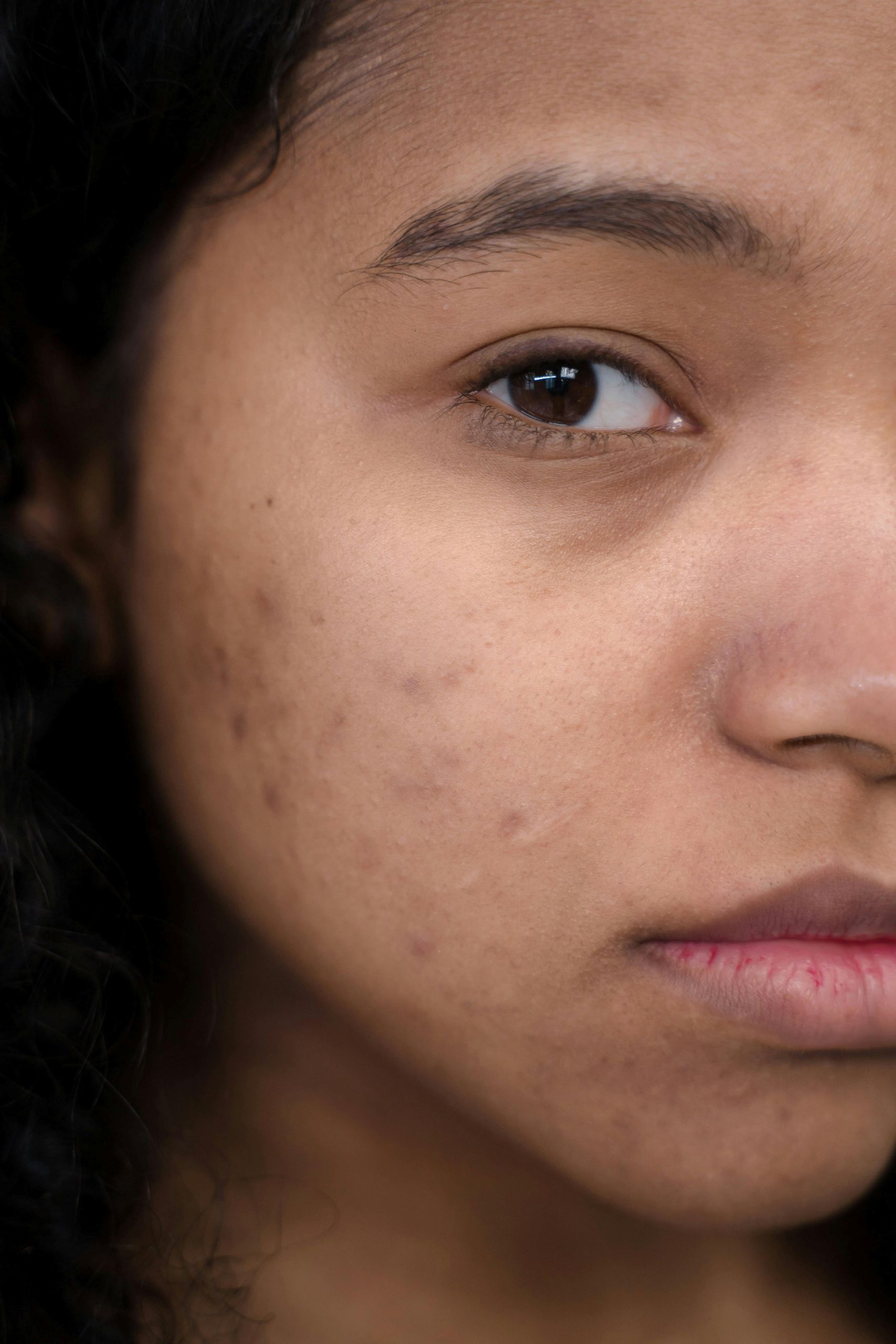
If you struggle with acne, sunscreen for acne-prone skin can feel like your enemy. Many people notice that every time they apply SPF, they get clogged pores, whiteheads, or painful pimples the next day. So they stop using it — and that actually makes acne marks worse.
Here’s the truth:
Skipping sunscreen is one of the biggest reasons acne scars refuse to fade.
Sun exposure darkens post-acne marks, slows healing, increases oil production, and weakens the skin barrier. That’s why dermatologists consider sunscreen a required step in acne treatment — not optional.
This guide will help you choose the right sunscreen for acne-prone skin and avoid breakouts while still protecting your skin. Remember, using sunscreen for acne-prone skin is essential for healthy skin.
Why Acne-Prone Skin Needs Sunscreen More Than Anyone Else
When acne heals, it leaves behind inflammation in the skin. UV exposure turns that inflammation into hyperpigmentation (dark spots) that can last months or even years.
Sun exposure also:
-
Triggers more oil production
-
Thickens dead skin cells (clogged pores)
-
Worsens active breakouts
-
Slows down healing
-
Causes stubborn acne marks
Many people think sunscreen causes acne — but usually the problem is the wrong formula, not sunscreen itself.
What Causes Breakouts in Sunscreen?
Certain ingredients are too heavy for acne-prone skin. They trap oil and bacteria inside pores.
Common pore-clogging triggers:
-
Thick creams
-
Heavy oils
-
Waxes and butters
-
Greasy water-resistant formulas
Your skin doesn’t need a stronger sunscreen — it needs a lighter one.
What to Look for in Sunscreen for Acne-Prone Skin
1. Non-Comedogenic (Most Important)
This means the formula is designed not to block pores.
Always check for non-comedogenic on the label.
2. Lightweight Texture
Best textures for acne:
-
Gel sunscreen
-
Fluid sunscreen
-
Water-based sunscreen
-
Serum sunscreen
Worst textures:
-
Thick cream
-
Oily lotion
-
Sticky sport sunscreen
If it feels greasy in 30 seconds, it will clog pores.
3. Oil-Free & Matte Finish
Acne-prone skin already produces excess sebum.
Matte sunscreen controls shine and prevents bacteria growth.
4. Broad Spectrum SPF 30–50+
SPF protects acne marks from becoming permanent discoloration.
Without sunscreen, acne treatments cannot work effectively because UV keeps re-darkening the spots.
5. Soothing Ingredients (Very Helpful)
Look for calming ingredients:
-
Niacinamide
-
Aloe vera
-
Zinc
-
Green tea
They reduce redness and inflammation.
Mineral vs Chemical Sunscreen for Acne
Mineral Sunscreen (Zinc / Titanium)
Best for:
-
Sensitive acne skin
-
Red inflamed pimples
-
Rosacea-like acne
Why:
-
Sits on top of skin
-
Anti-inflammatory
-
Less irritating
Downside:
May leave slight white cast if formula is thick.
Chemical Sunscreen
Best for:
-
Oily acne skin
-
People who hate heavy textures
Why:
-
Very lightweight
-
Invisible finish
-
Comfortable for daily use
Downside:
Some formulas irritate sensitive skin.
How to Apply Without Causing Breakouts
The biggest mistake acne-prone people make is layering incorrectly.
Follow this order:
Morning routine:
-
Gentle cleanser
-
Light moisturizer (optional)
-
Sunscreen (last step)
Do NOT mix sunscreen with moisturizer — it reduces protection and may clog pores.
How Much to Apply
Use the two-finger rule:
Apply two finger lengths for face and neck.
Too little sunscreen = dark marks return.
Reapplication Without Pimples
Instead of layering thick SPF again:
-
Blot oil first
-
Apply thin layer
-
Or use sunscreen stick/powder for touch-ups
Common Sunscreen Mistakes That Cause Acne
-
Using body sunscreen on the face
-
Choosing “sport” sunscreen daily
-
Applying over sweaty skin
-
Not washing it off at night
-
Using thick moisturizing SPF in humid weather
Many breakouts blamed on sunscreen are actually caused by improper removal.
Always cleanse at night.
Quick Guide by Skin Type
Very oily acne: gel or fluid sunscreen
Sensitive inflamed acne: mineral sunscreen
Combination skin: lightweight lotion SPF
Acne + dark spots: niacinamide sunscreen
Final Thoughts
Sunscreen does not cause acne — wrong sunscreen does.
When you choose a lightweight, non-comedogenic formula, you’ll notice:
-
Fewer dark spots
-
Faster healing
-
Less redness
-
More even skin tone
Most acne scars persist not because treatments fail — but because UV exposure keeps restarting inflammation every day.
Think of sunscreen as part of acne treatment, not separate from it.
Treat acne at night. Protect healing during the day.